Table of Contents
- Prospek Ekonomi Indonesia 2025 dan 2026 Bisa Capai 5,7 Persen ...
- Begini Proyeksi OECD soal Pertumbuhan Ekonomi Indonesia 2024 dan 2025
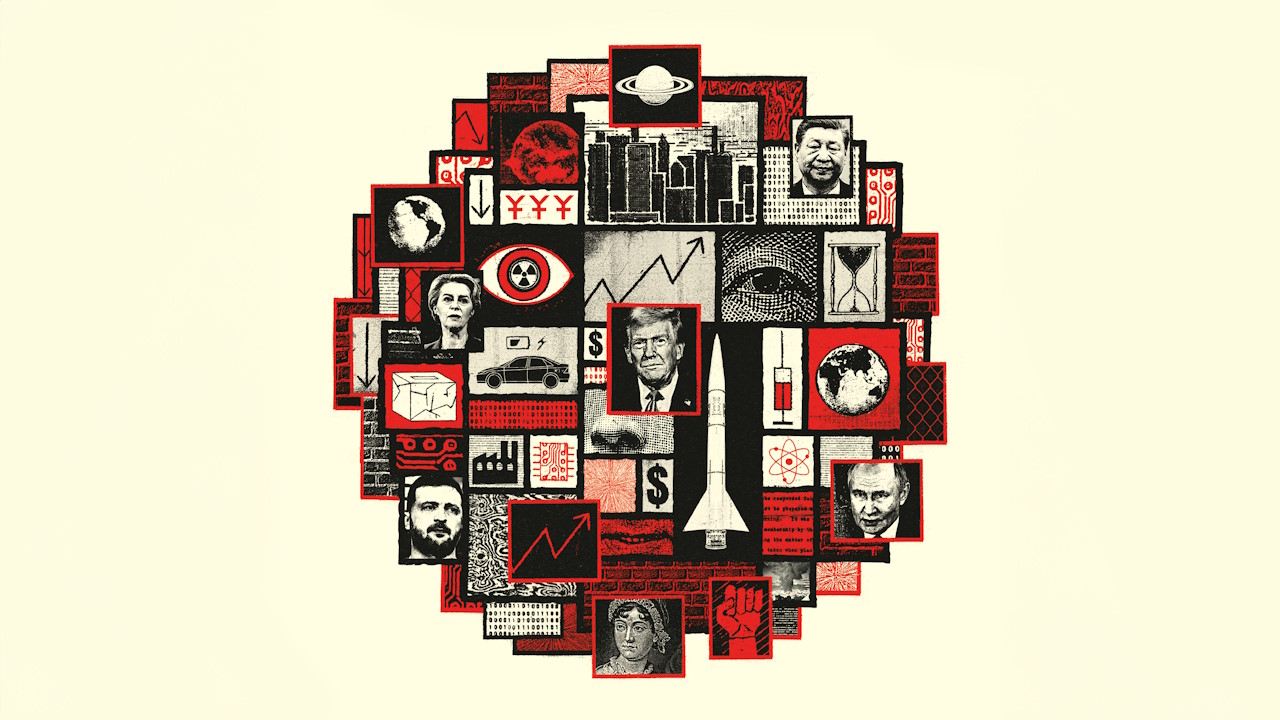
- The Economist Group - The Economist launches The World Ahead 2025 ...
- 10 сценаріїв 2025 року від The Economist - прогноз на 2025
- Our economic and market outlook for 2025: Global summary | Vanguard
- America’s economy enters 2025 in great shape
- Aveanna projects growth in 2025 despite fears of impending Medicaid cuts
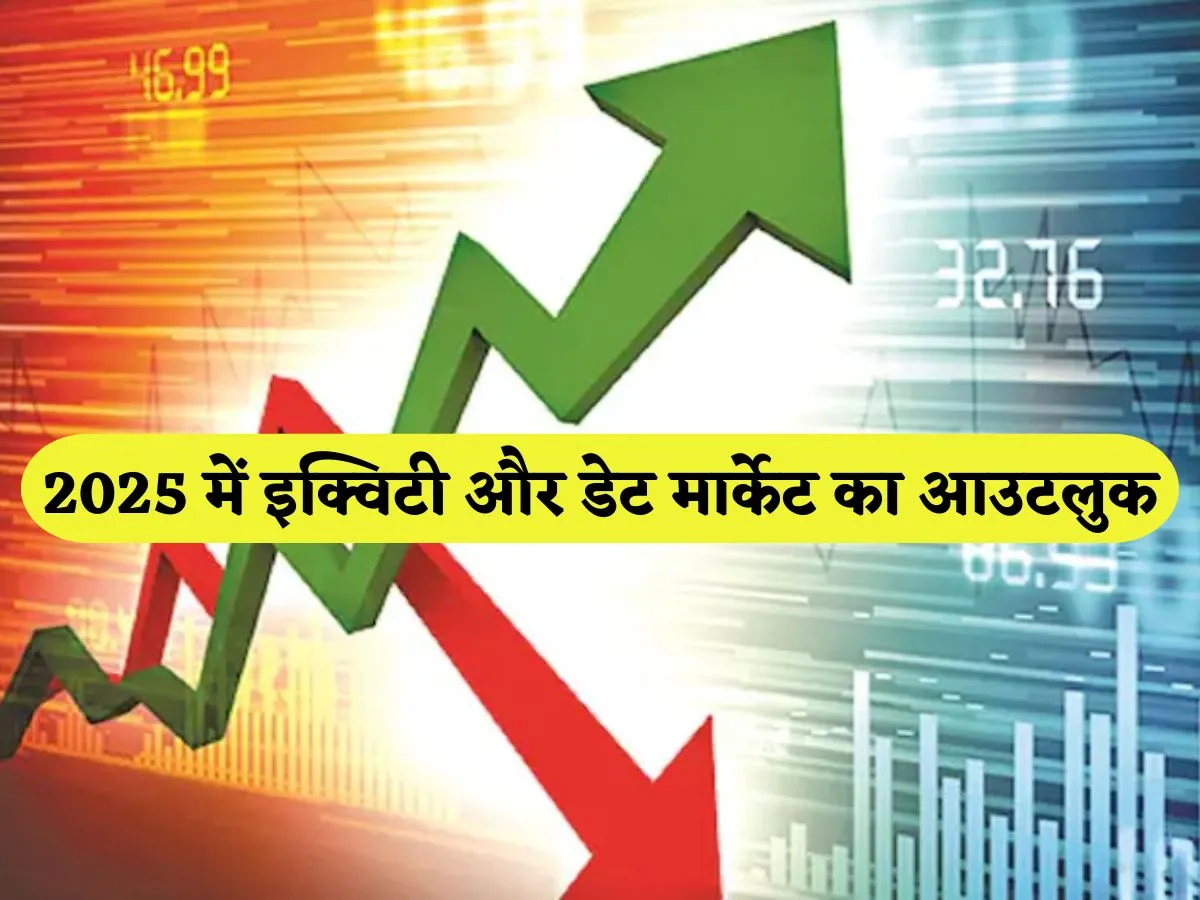
- 2025 में इक्विटी और डेट मार्केट की कैसी रहेगी चाल, एक्सपर्ट्स से समझें ...
- BERNAMA - BUDGET 2025 SET TO SEE SUBSTANTIAL INCREASE IN ALLOCATIONS ON ...
- Brace yourself: Risks, uncertainty await global economy in 2025 | Daily ...

The Tariff Conundrum


Impact on US Economy


Economists' Predictions
Many economists are predicting a recession or weak growth in the US economy due to the tariffs. According to a recent survey, over 70% of economists believe that the tariffs will have a negative impact on the US economy. Some of the predictions include: Recession in 2020: Some economists predict that the US economy could enter a recession in 2020, with the tariffs being a major contributing factor. Weak growth: Others predict that the economy will experience weak growth, with the GDP growth rate slowing down to around 1-2% in the coming years. The trade tensions and tariffs imposed by the Trump administration have sparked concerns among economists, who are predicting a possible recession or weak growth in the US economy. While the intention behind the tariffs is to protect American industries and jobs, the consequences could be far-reaching and devastating. It is essential for policymakers to consider the potential impact of their decisions on the economy and work towards finding a solution that benefits all parties involved. As the trade tensions continue to escalate, one thing is certain – the US economy is in for a bumpy ride.Keywords: trade tensions, Trump tariffs, US economy, recession, weak growth, economists' predictions, inflation, consumer spending, job losses.